Department of
Digital Humanities
Bringing together technology and human imagination to create better worlds
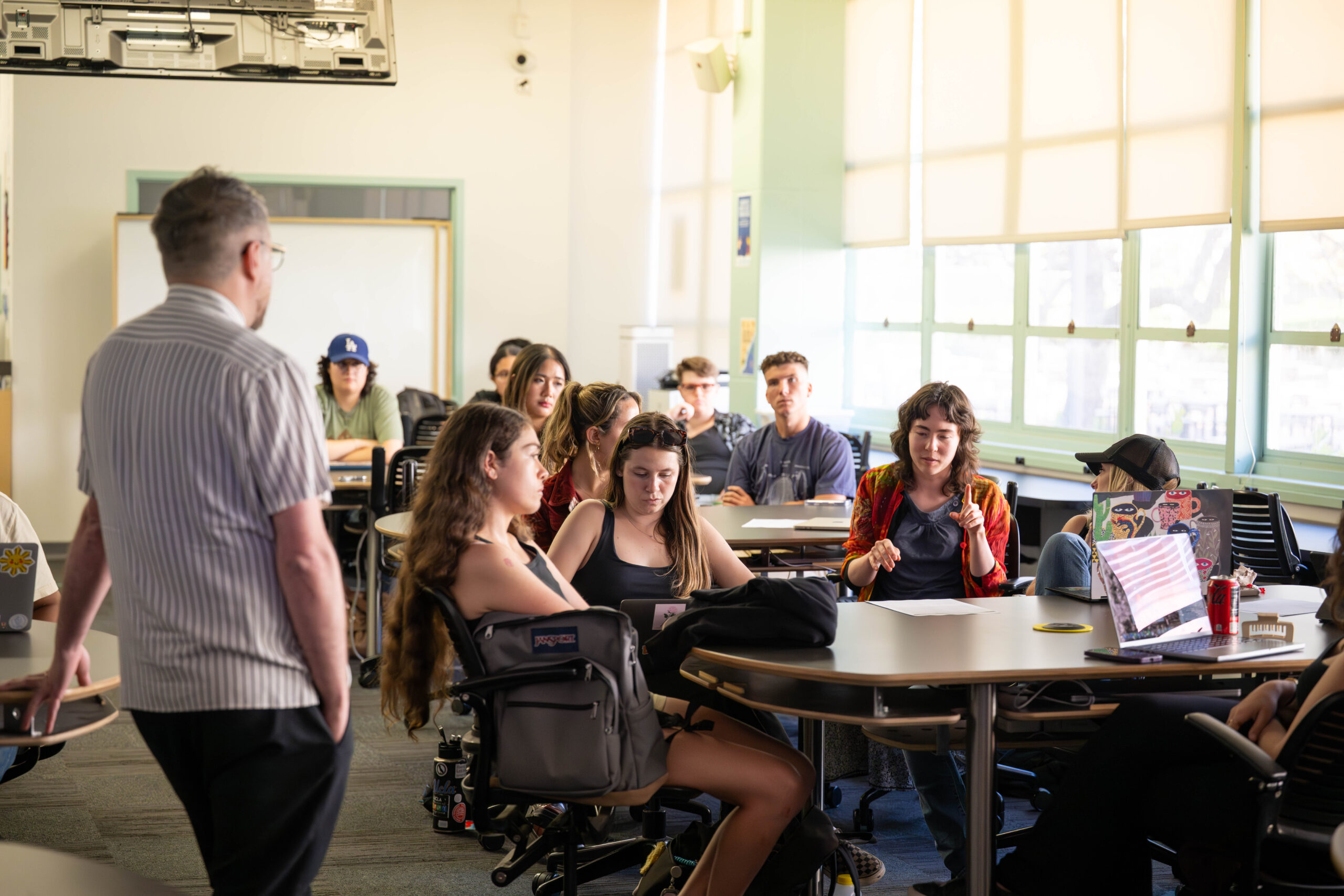
Digital Humanities brings the interpretive traditions of the humanities to a world increasingly shaped by computation. At its core, the field asks how we can use digital tools to better understand human culture; to critically examine the technologies that organize knowledge, society, and everyday life; and to imagine and create more just futures.
What Students Learn
Digital Humanities asks what it means to study culture when computation shapes how knowledge is made and shared. At UCLA, students learn to approach technology critically while creating work that helps others see the world differently.
Across the program, students learn to:

Interpret culture, media, and technology
Study how archives, digital maps, AI platforms, and emerging media shape cultural memory and meaning; explore how technology changes what can be preserved, represented, and understood.

Question data, power, and society
Trace how data becomes power, from the early internet to the algorithmic systems that increasingly structure public life; ask how information systems determine what becomes visible, who they serve, and who gets access.

Design more just worlds
Turn critical inquiry into creative practice; build digital projects that make scholarship public and give people new ways to imagine more equitable futures.
Students Shape Research
Digital Humanities at UCLA brings students into the research process. Across courses, labs, and collaborative projects, they work with faculty to turn humanistic questions into digital scholarship that travels beyond the university. That collaboration takes many forms:
Critical AI and Holocaust Memory
Faculty Research and Student Collaboration
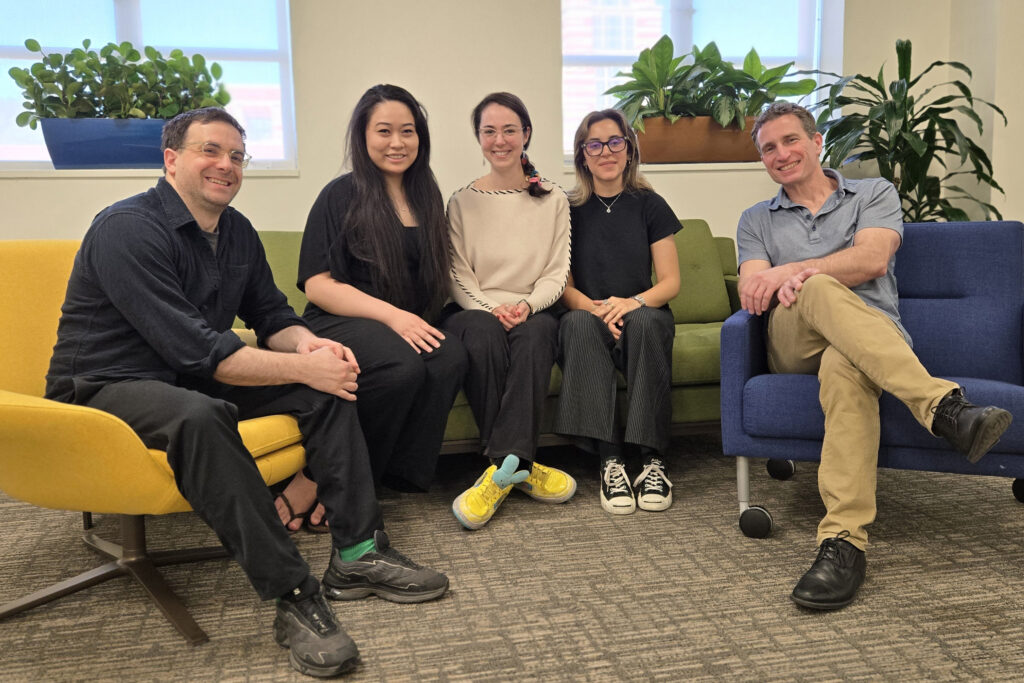
DH students contributed to Professor Todd Presner’s research on Holocaust testimony, AI, and algorithmic interpretation, including work connected to Ethics of the Algorithm, the Holocaust Research Lab, and the Large Language Lab.

Refugee Material Culture Initiative
Community Museum Partnership and Immersive Exhibits
Students in Professor Kelly Nguyen’s courses work with a community museum partner to create interactive 3D exhibits that preserve refugee-made objects and bring histories of displacement and memory into view.
Multispecies Futures Lab
Student participation in digital environmental research
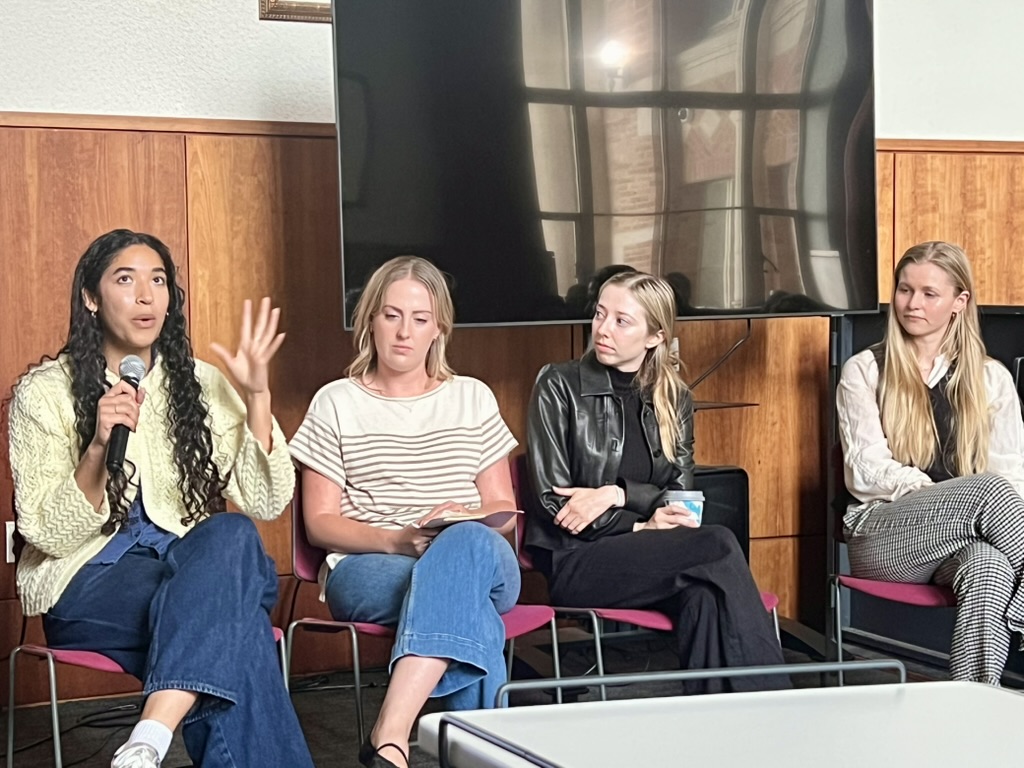
Students working with Professor Vetri Nathan’s Multispecies Futures Lab explore how digital life, ecological wellbeing, and more-than-human worlds intersect. Through collaborative projects and public events, they help bring multispecies questions into digital humanities research.
Inside the Digital Research Process
HumThink connects students with faculty projects in motion
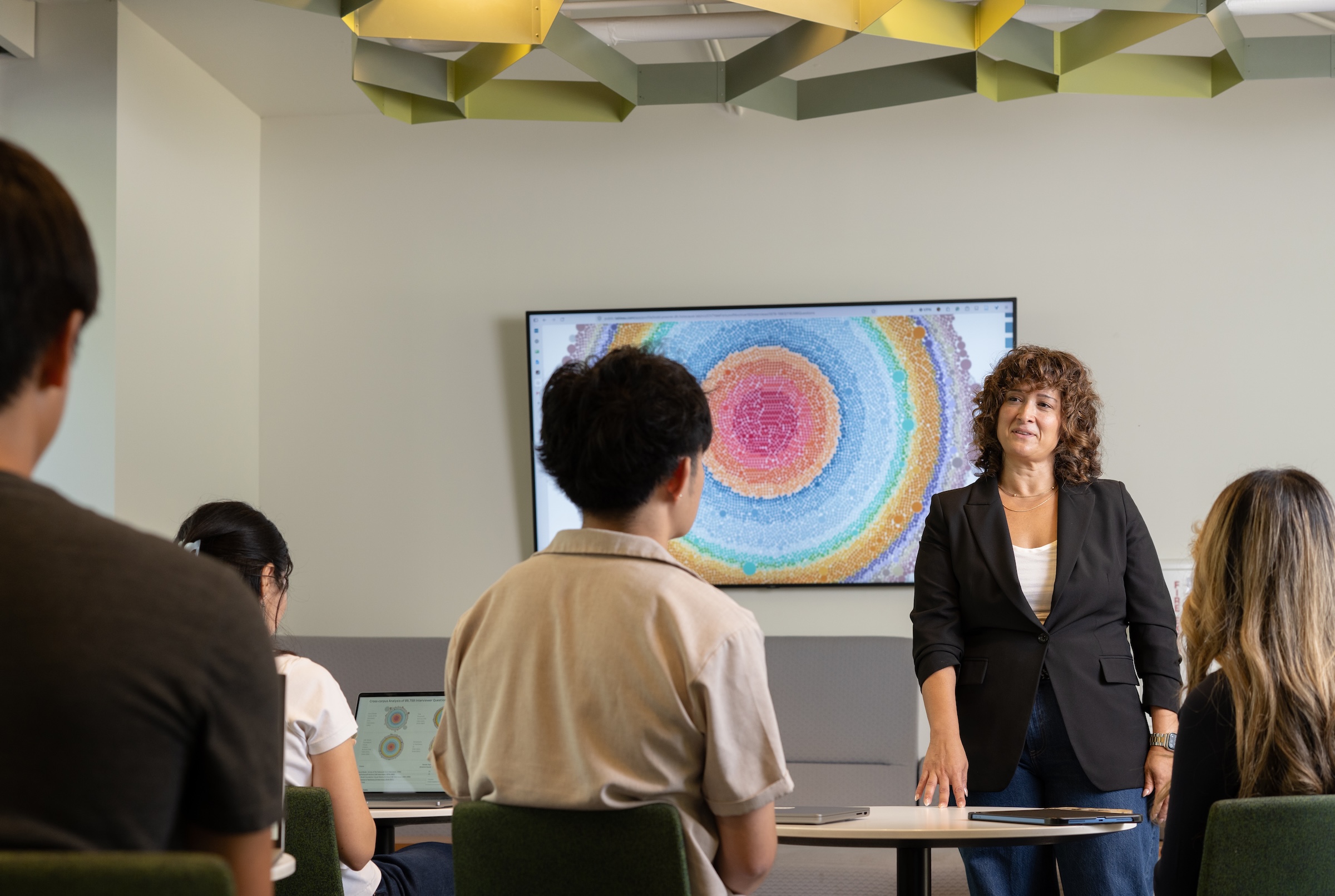
Through HumThink, students work closely with faculty across the Humanities and humanistic social sciences as research projects move from early questions into digital form. They help shape scholarship that can be prototyped, built, and shared.
Why Study Digital Humanities at UCLA?
A long history
UCLA faculty and students have helped shape digital humanities research and teaching for more than two decades, from early work in digital cultural mapping to today’s research in archives, media, AI, immersive environments, and public scholarship.
Students from across campus
DH brings together students from the humanities, social sciences, arts, engineering, information studies, and data-centered fields. The classroom becomes a space where different questions, methods, and forms of expertise meet.
Humanistic and Computational Training
Courses combine close interpretation, historical analysis, ethical critique, and project-based work with digital methods such as mapping, visualization, text analysis, databases, and interface design.
Los Angeles as a site of study
UCLA’s location matters. Students study in a city shaped by media, migration, technology, inequality, cultural memory, and public institutions—all central concerns for digital humanities.