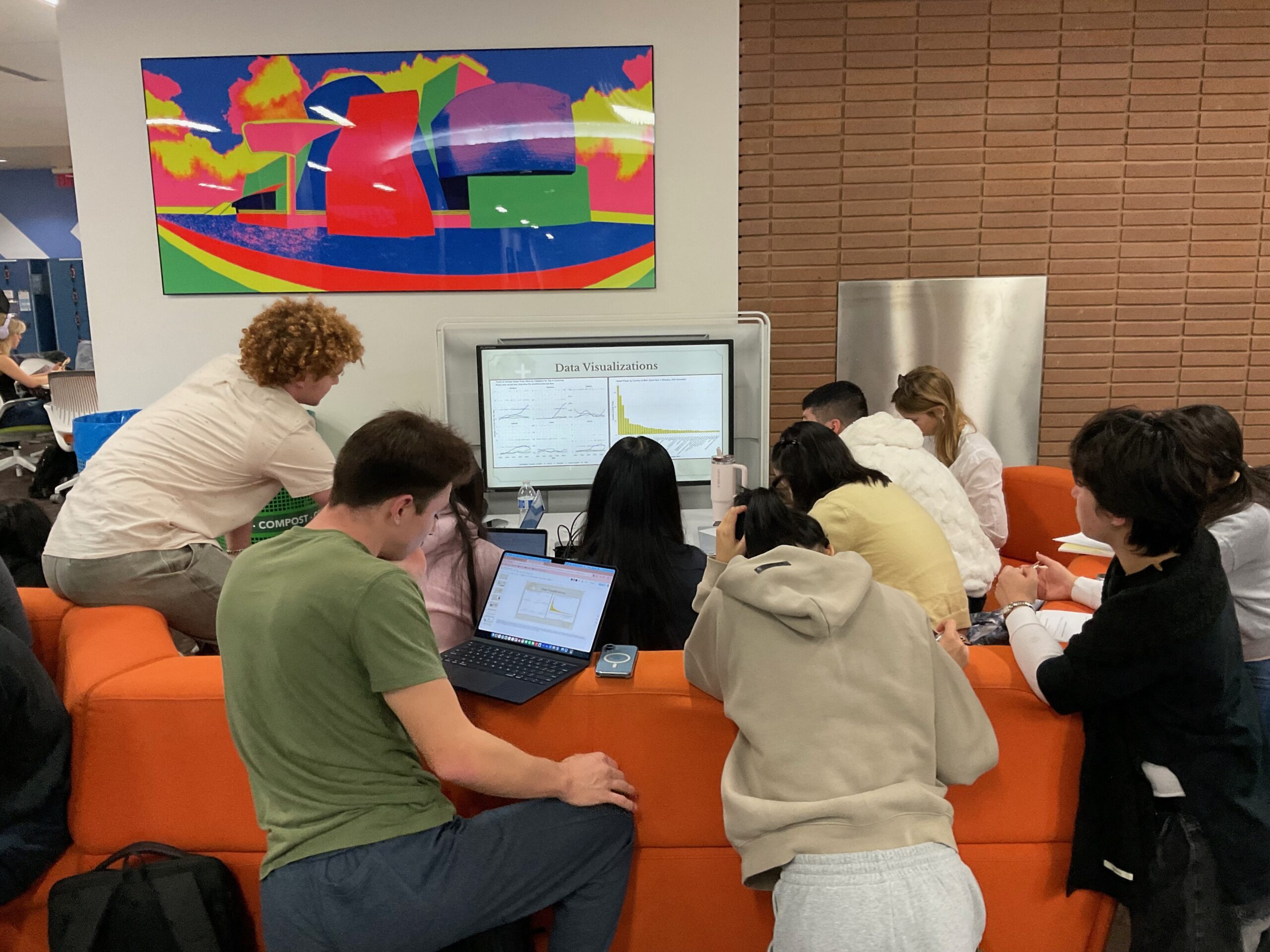
Undergraduate Programs
The humanities study enduring questions about human culture and society. Digital Humanities applies digital tools to that study. In the Digital Humanities (DH) Program, students learn how technology is shaping the world while gaining hands-on experience with those tools to explore humanities questions. Students also ask how technologies shape culture now and how they might be used to imagine different futures.
Academic Pathways
Undergraduates at UCLA can study Digital Humanities through either a major or a minor. Each pathway combines digital methods, humanistic questions, collaborative work, and critical engagement with technology.
Major in Digital Humanities
The Digital Humanities major offers an immersive path through computation, media, and humanistic inquiry. Students progress through a sequence of courses that build technical and critical skills while examining how digital methods reshape what humanistic inquiry can ask and reveal.
A central component of the major is a digital portfolio where students document their research, projects, and areas of expertise as they develop across the curriculum.
Minor in Digital Humanities
Launched in 2011, the DH Minor currently enrolls about 300 undergraduates from many different majors. The DH minor is open to students across UCLA and introduces the field’s core concepts, methods, and tools.
Students enter the minor with different levels of technical experience. Some arrive with strong skills; others are just getting started. We meet students where they are and help them grow from there.
What Does a DH Class Look Like?
Digital Humanities courses often ask students to learn by building, analyzing, documenting, and presenting work in digital spaces. These examples show how DH classes connect humanistic questions with hands-on digital practice, from critical histories of computing to community-engaged exhibits and decolonial data work.
Professor Stacy Wood
From the abacus and Jacquard’s loom to Silicon Valley, this course recontextualizes the history of computing within global and intersectional frameworks. Students trace how political and social forces shaped key technological turning points and connect that history to contemporary debates over surveillance, social media, and AI.
Professor Danny Snelson
This creative writing course explores new genres of writing on the internet. Students follow emerging trends in digital poetics to develop new ways of creating works that are equally likely to appear on Instagram, through digital video games, in a chat story, generated with LLMs, or even printed on demand in paper format. How might social media platforms facilitate serial narratives? What do games demand of poetry? To what literary purposes might we direct webcomics, memes, or Twitch streams? Using a collective workshop format, students engage in a series of writing experiments to find their own poetic responses to today’s technological environment.
Professor Kelly Nguyen
This community-engaged course partners with the Vietnamese Heritage Museum to create public digital exhibits connecting Vietnamese refugee material culture with artifacts from Greco-Roman antiquity. Students gain hands-on experience with digital archaeology tools while contributing rotating exhibits to the Refugee Material Culture Initiative’s open-access archive to better understand refugeehood across space and time.
Professor Cindy Nguyen
Working from a sandbox of French colonial-era Vietnamese materials—drawings, library records, and ethnographic data—this advanced course combines critical data studies with multilingual, multimodal digital storytelling. Students critique colonial data structures while experimenting with playful and collaborative decolonial alternatives.
Program Learning Outcomes
Across the DH program, students build three connected capacities:
⚙
Critical thinking & information literacy
Critical thinking and information literacy run throughout the program. Digital tools, algorithms, and data are never treated as neutral “givens.” Students learn to ask who made them, for what purposes, how they are structured, and what assumptions shape how they work.
☷
Quantitative reasoning
As they move through the curriculum, students develop practical experience with quantitative and qualitative methods while continuing to approach digital work through humanistic questions. In more advanced courses, they “look under the hood” by modifying data, working with APIs, using open-source software, and building or adapting digital tools.
✎
Written & oral communication
Their research is accompanied by sustained written and oral reflection, including project briefs, data critiques, project write-ups, presentations, final websites, and public-facing projects. This combination of technical practice, critical analysis, and clear communication prepares students to interpret digital systems and to create thoughtful digital work of their own.
Student Work
Digital Humanities students use digital methods to investigate cultural, historical, and social questions. Across DH courses and research opportunities, student research takes many forms, including interactive narratives, digital exhibits, data visualizations, maps, archives, and other forms of digital scholarship.
-
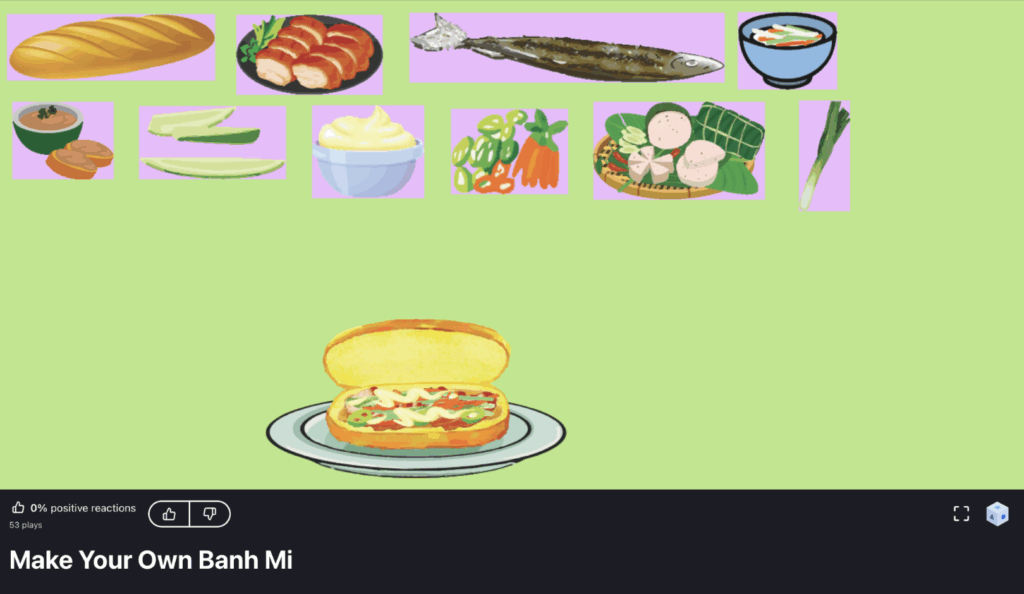
Bánh Mì Babes
A build-your-own bánh mì game anchors this interactive project on Vietnamese food history, colonial power, and cultural memory. Drawing on colonial-era images, data visualizations, and interactive design, the project examines how French colonialism… -
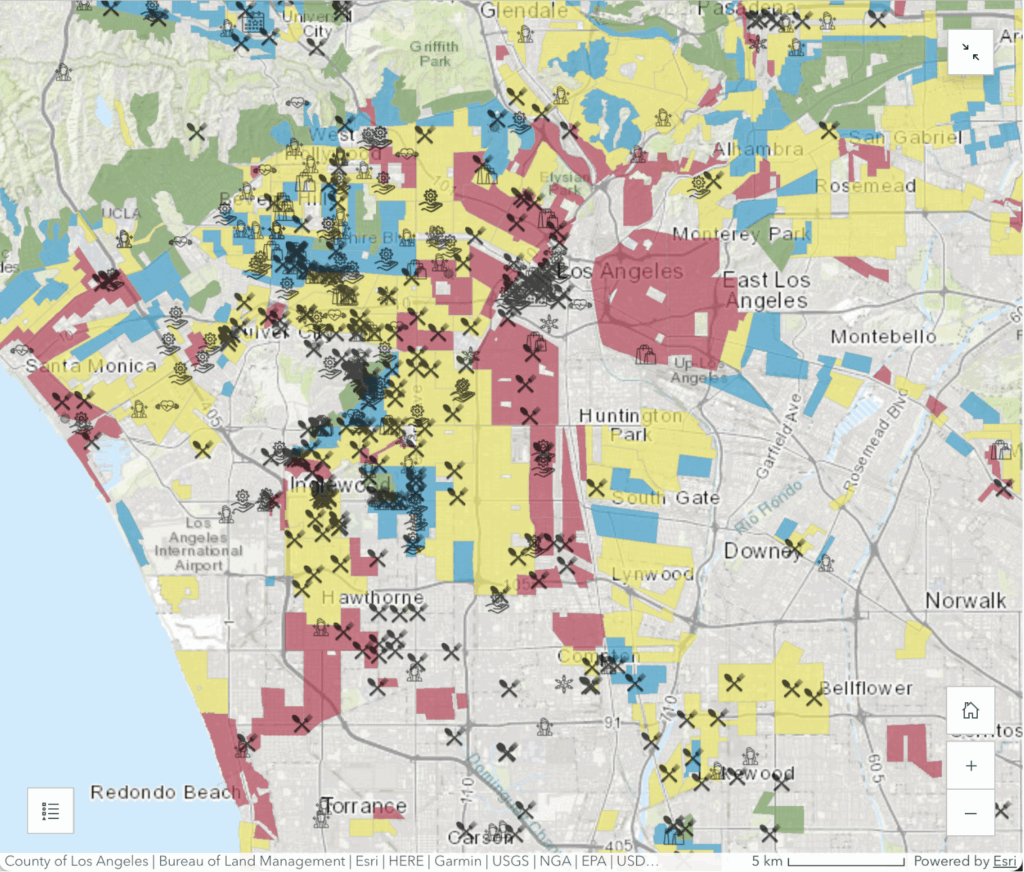
Black-Owned Businesses in Los Angeles
Bringing together Green Book business listings, HOLC redlining data, and a UCLA oral history interview, this project traces how discriminatory lending practices shaped the geography of Black-owned businesses in Los Angeles from the… -
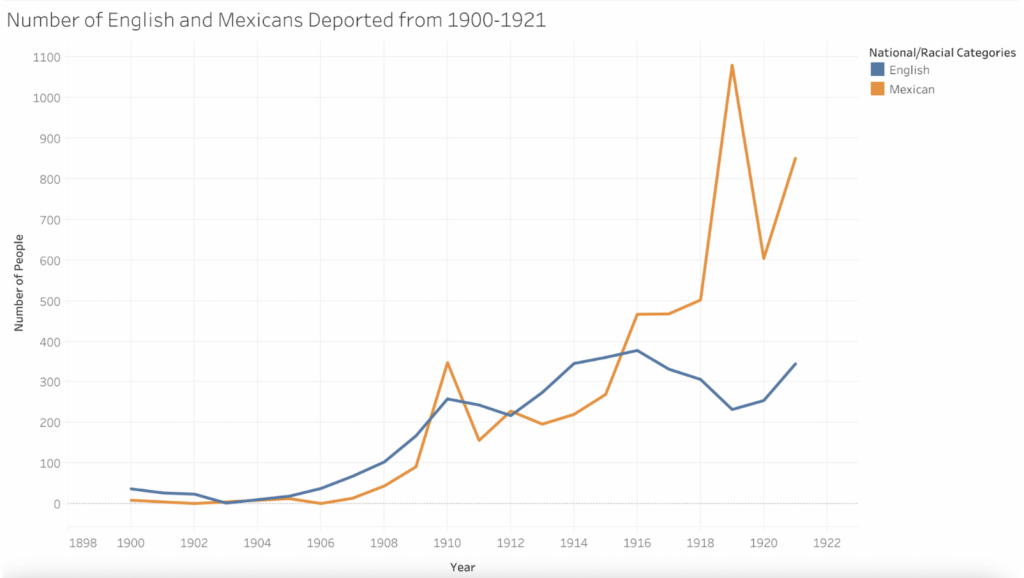
Deportation Data Analysis
Students cleaned, analyzed, and visualized over 40,000 historical deportation records from a Harvard Dataverse dataset to examine how U.S. deportation policies between 1892 and 1921 affected English and Mexican immigrant communities differently, and… -
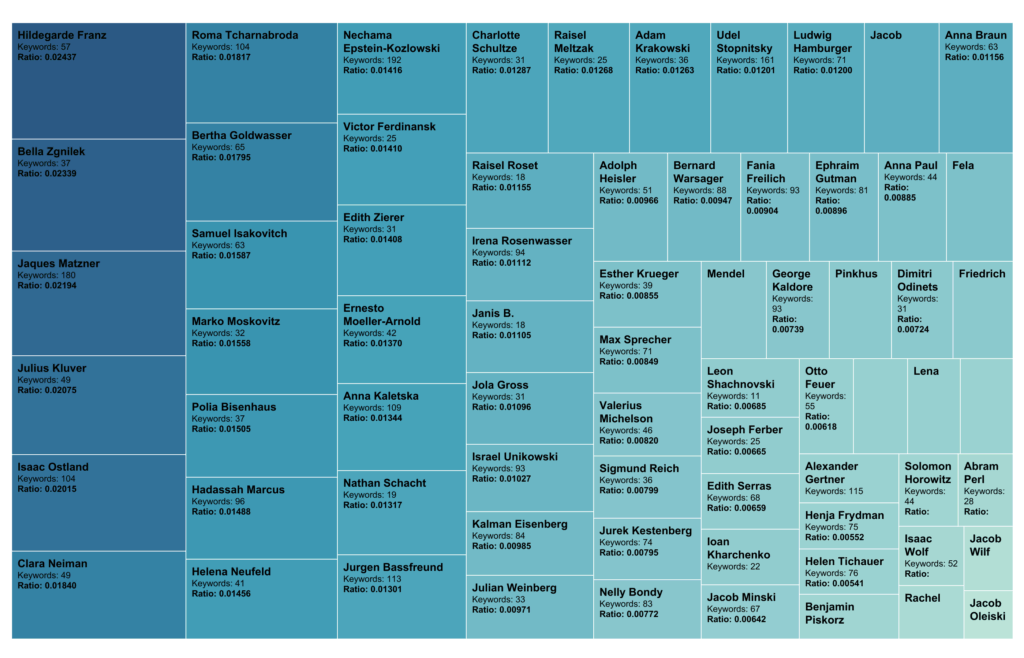
Ethics of the Algorithm: Counter-Indexing Holocaust Testimony
Computational text analysis becomes a tool for examining Holocaust survivor testimony and revealing forms of moral complexity that conventional keyword indexing can obscure. The project contributed to a chapter in the book Ethics… -
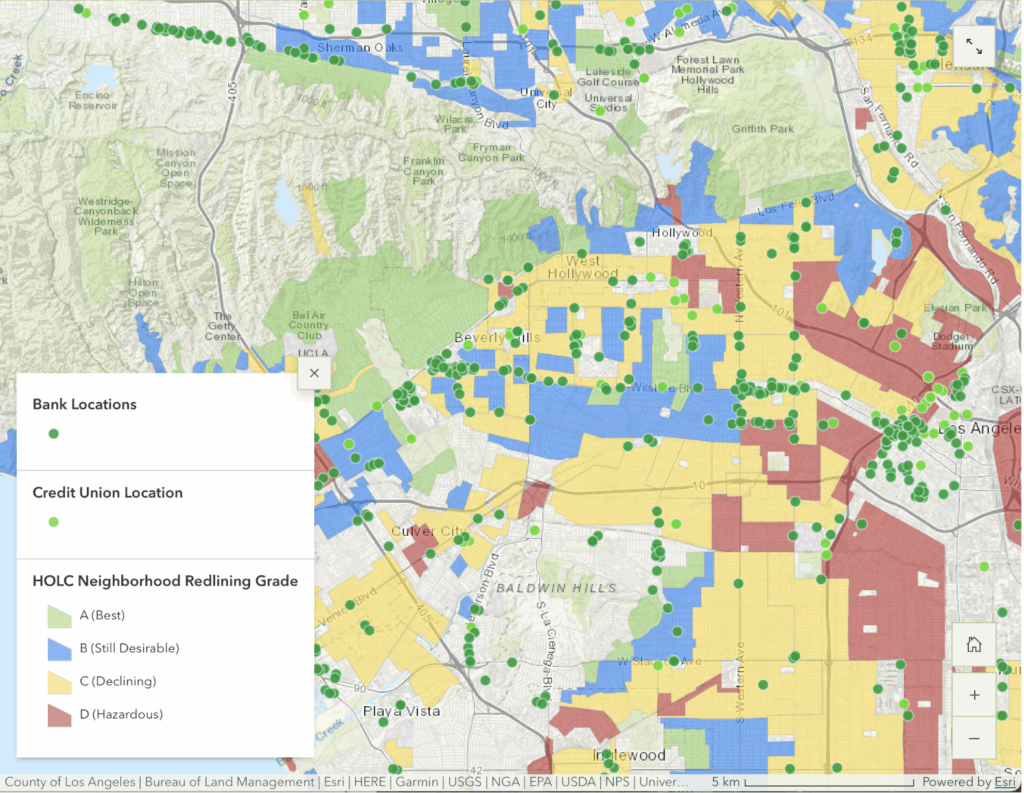
Location, Location, Location: An Exploration of Geographic Disparities in Bank and Alternative Financial Service Access in Los Angeles County
Undergraduate researcher Cynthia Gong mapped banks and alternative financial services across Los Angeles County using FDIC data, census-tract demographics, and HOLC redlining grades. Her project shows how race, income, and the legacy of… -
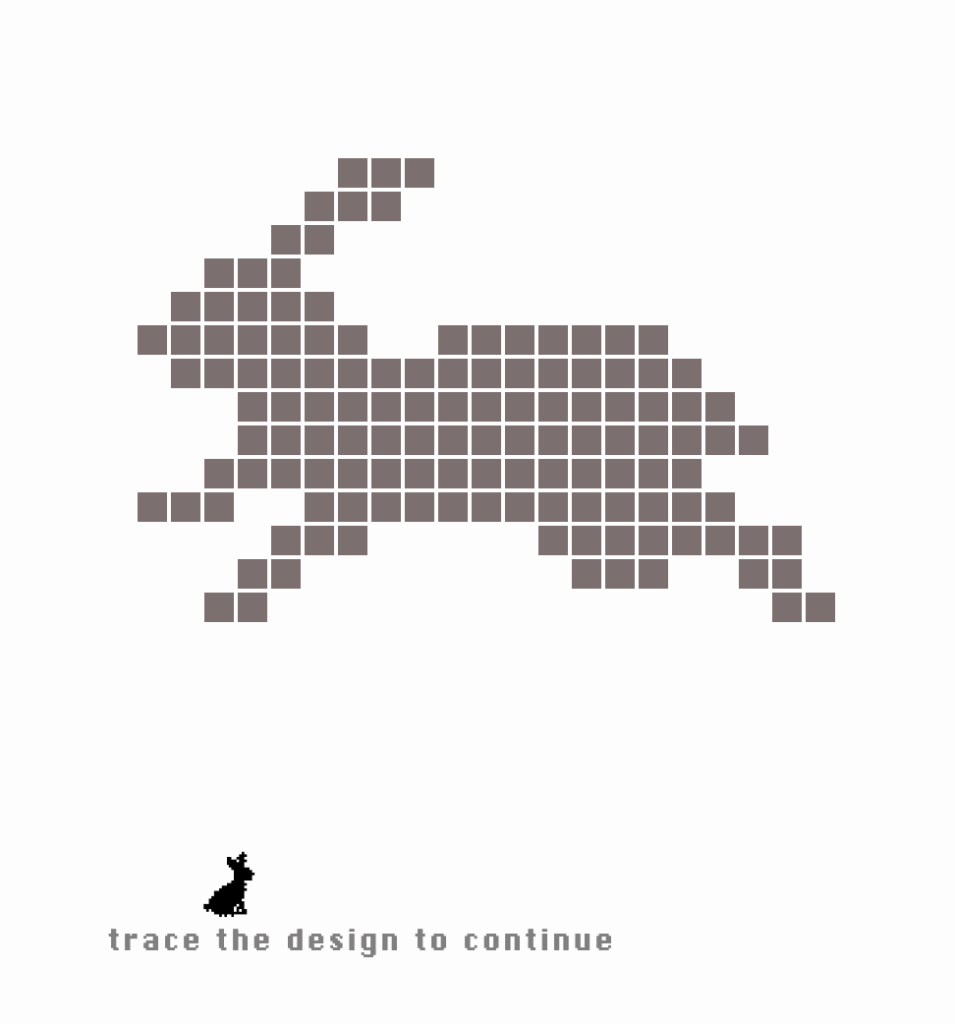
Susan Kare
Digital Humanities 124: Critical Histories of Computing and the Internet Translation of one of Susan Kare’s pixel rabbit sketches as menu for student website Tracing the history of graphical interface […] -

Worn Stories: The Fabric of Refugeehood
Garments and objects from the Vietnamese Heritage Museum and Greco-Roman antiquity — including a prison button, a sweater sewn from airplane blankets, and an Attic amphora depicting Aeneas fleeing Troy — serve as…
Alumni Paths
Digital Humanities alumni take their training in many directions. In this recorded career paths panel, former DH students discuss their experiences in the program, how they identified their next steps, and how DH coursework and projects continue to inform their work.
Panelists include alumni working in product strategy, social media and creator operations, curriculum design, data visualization, and machine learning research.
Questions about our programs?
We’d love to hear from you.